Fidel Castro - the good, the bad, the ugly
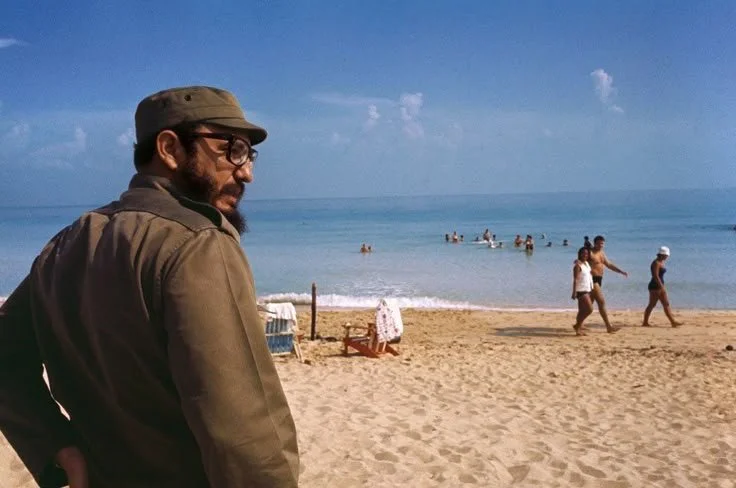
On a hot summer day in 2008, standing in Meckenheim, Germany, I first brushed up against the myth of Fidel Castro - not through a book (uninteresting back then), but via the bold red Che Guevara print on my cousin’s olive t-shirt. The bearded face, fierce and almost magnetic, seemed to radiate from the fabric - its meaning far out of reach for me (9 years old). When I asked my father about the man on the shirt, he simply said: “You are too young for revolutions.” An answer that, even now, feels like a closed door to a room filled with smoke, screams and slogans.
Fidel Castro’s journey, to me, is one of the twentieth century’s most dramatic transformations: from freedom fighter to dictator, from the promise of liberation to the reality of repression.“A revolution is a struggle to the death between the future and the past,” Castro once declared, and for a time, he seemed to embody the future.
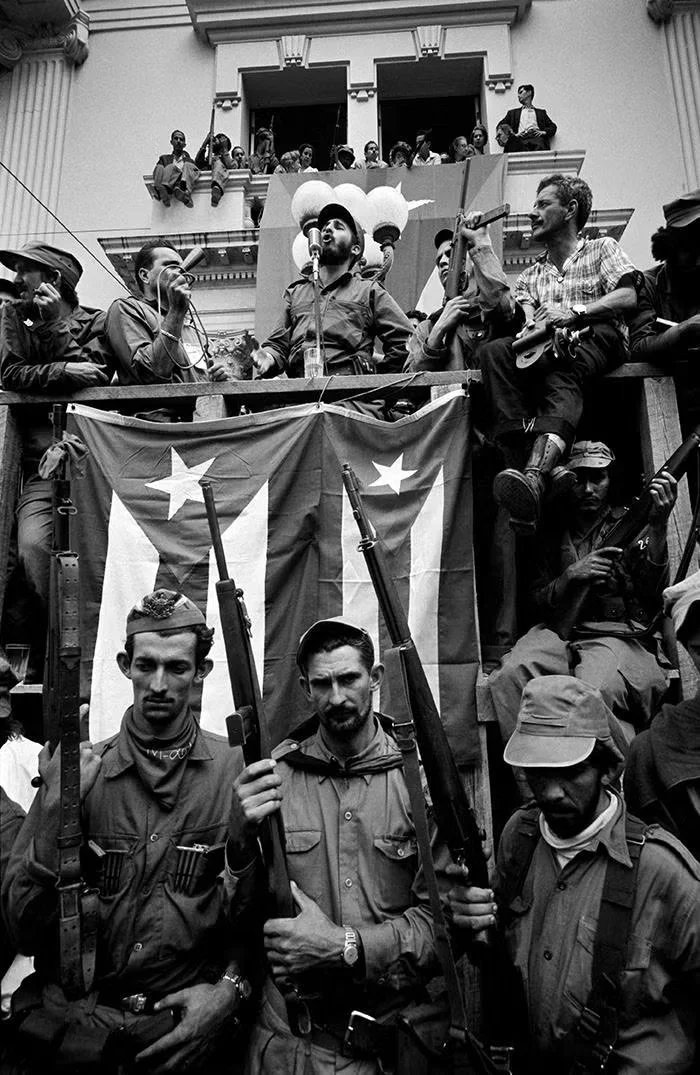
Born in 1926, Castro grew up in a Cuba riddled with inequality and ruled by the iron fist of Fulgencio Batista. As the son of a wealthy Spanish landowner and a household maid he embodied contradiction from the start - privilege mingled with injustice.
By the mid-1950s, Castro had become the face of resistance, leading a ragtag band of revolutionaries into the Sierra Maestra mountains. In 1959, their improbable victory toppled Batista’s regime, and for a fleeting moment, hope seemed to bloom across the island. Castro’s early speeches were electric, filled with the language of justice and equality. He promised land for the peasants, schools for the children, and dignity for the poor.
Abroad, Castro cast his shadow far beyond the Caribbean, lending support to anti-imperialist movements and nurturing the rise of Marxist governments in places like Chile and Nicaragua. Cuban troops, under his command, even appeared on unlikely battlefields—from the Yom Kippur War to the tangled frontlines of Angola’s civil war—increasing Cuba's profile on the world stage.To many, he was a modern David, fighting the Goliath of injustice and imperialism.
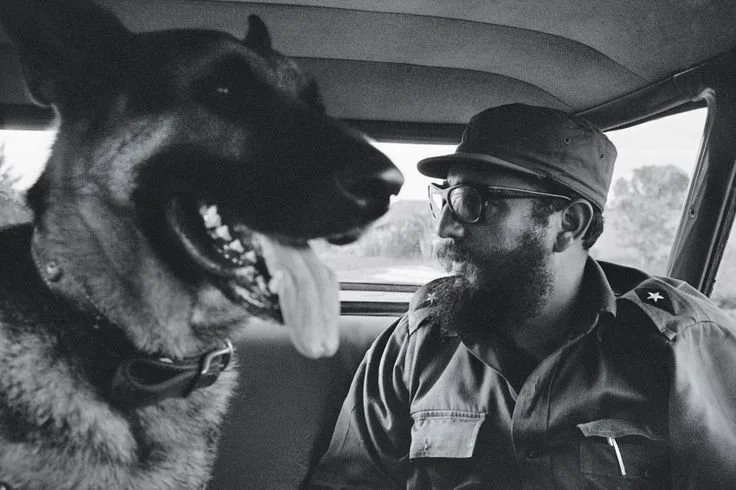
But the revolution’s turning point came swiftly. Castro consolidated power by dissolving the existing political system, suppressing opposition, and establishing a one-party state. Adopting a Marxist–Leninist model of development, Castro converted Cuba into a one-party, socialist state under Communist Party rule (the first in the Western Hemisphere). His government nationalized industries and implemented radical land reforms. Thousands of political opponents were imprisoned or exiled as censorship became the norm. Ultimately, public perception shifted: the liberator was now seen by many as a jailer - fear replaced hope. “Condemn me, it does not matter, history will absolve me,” he famously proclaimed during one of his trials on September 16th 1953 in Santiago, Cuba.
Initially the extent of Castro’s revolutionary movement was vast. His policies transformed Cuba’s political, social, and economic landscape, inspiring leftist movements worldwide. Yet, as the years unfurled, the revolution’s bright(red) colors faded and the cost was staggering: thousands of political opponents were imprisoned, executed, or forced into exile. Economic hardships worsened under the U.S. embargo and centralized planning. Restrictions on freedom of speech, press, and assembly became widespread, and human rights organizations condemned the regime for abuses and the lack of political freedoms. John F. Kennedy: “Fidel Castro is a ruthless dictator who has brought misery to his people”.
Still, for many in the Global South, Castro remained a symbol of defiance, a leader who stood tall against seemingly overwhelming American power.
Castro’s charisma ultimately hardened into dogma; his revolution, once fluid and hopeful, transformed into bureaucracy and fear. The same man who once inspired millions became, for many, the face of repression and stagnation. In the words of the BBC, he was “the revolutionary who defied the world”—and, perhaps, himself.
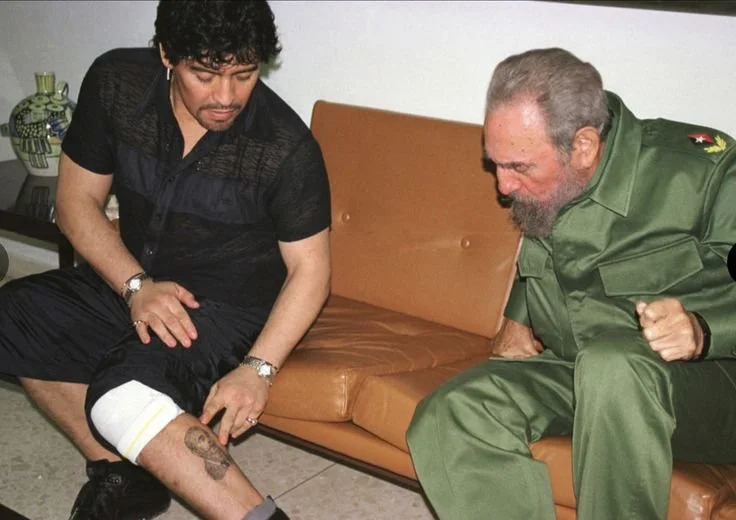
His final years were marked by illness and retreat from public life. In 2008, he formally handed power to his brother Raúl. Eight years later, on November 25, 2016, Fidel Castro died at the age of 90, closing the chapter on an era that had shaped—and scarred—millions.
As the longest-serving non-royal head of state in the 20th and 21st centuries, Castro’s legacy is as fiercely debated as ever.
In Cuba, he is revered by many (especially older generations) as a symbol of national pride and resistance against imperialism. His admirers view him as a champion of socialism and anti-imperialism, a leader whose revolution delivered schools, doctors, and a sense of dignity and Cuba's independence from American hegemony.
His critics view him as a dictator whos administration oversaw human rights abuses, sparking the exodus of 2.9 million Cubans, and the impoverishment of the country's economy. The debate continues in academic, political, and cultural spheres, reflecting the complex nature of his impact.
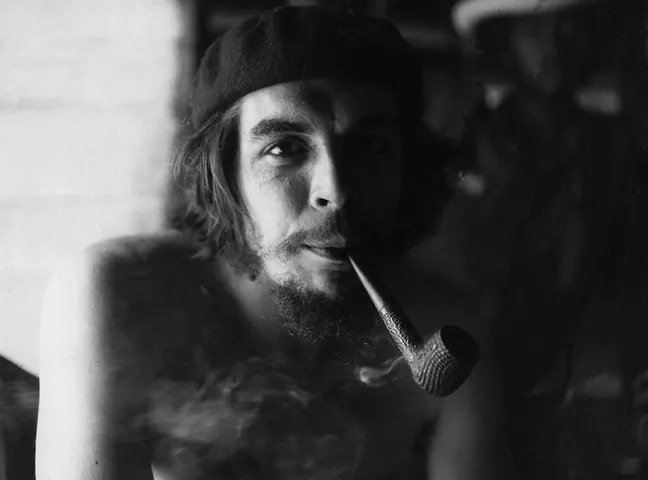
Reflecting on that day in Meckenheim, I realize that revolutions are rarely as simple as a T-shirt. To me they often seem to be lived in a tension between hope and disappointment - between the promise of freedom and reality of power. Castro’s life, like his legacy, is a study in contradiction: liberator and jailer, visionary and autocrat.
Question is - would you wear the shirt?
